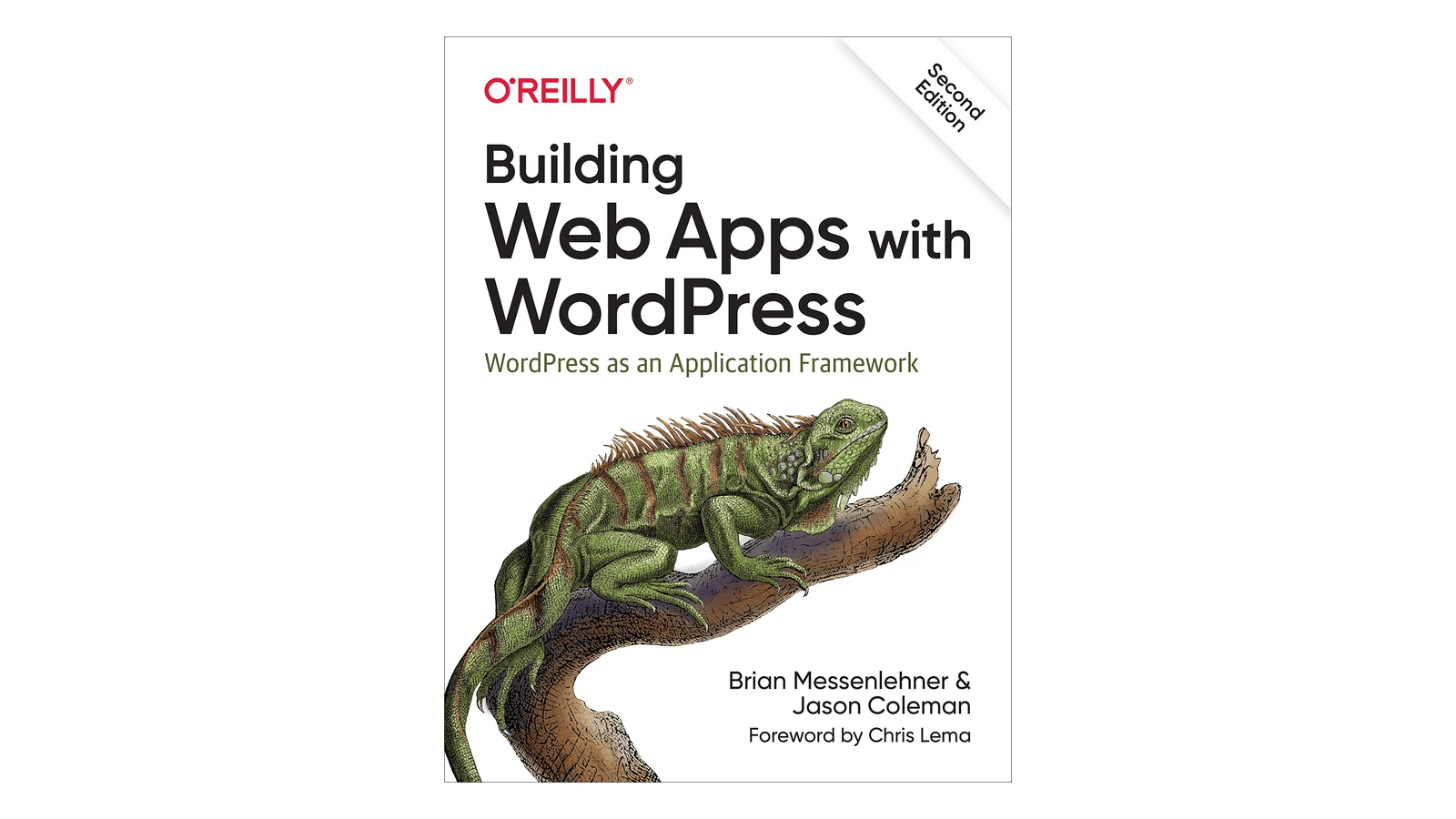
In December 2019 O'Reilly Media released the second edition of Building Web Apps with WordPress: WordPress as an Application Framework, again co-written with Jason Coleman. WordPress had changed a lot since 2014, so we rewrote the book around the WordPress REST API, Gutenberg blocks and modern JavaScript, and updated it for features up to WordPress 5.4.
The Book at a Glance
Title: Building Web Apps with WordPress: WordPress as an Application Framework, 2nd Edition
Authors: Brian Messenlehner and Jason Coleman
Publisher: O'Reilly Media, Sebastopol, CA
Released: December 2019 (O'Reilly); 2020 copyright
Our book will be the first to really dive into WordPress as a framework and codify a process for building apps with WordPress.
Jason Coleman, Co-Author; Co-Founder and CEO of Paid Memberships Pro
Foreword
“What’s missing is a little bit of information and a lot more confidence.
Chris Lema, CEO of Motivations AI, Foreword to the Second Edition
Why We Wrote a Second Edition
Five years is a long time in WordPress. When we wrote the new preface, WordPress powered 32% of all sites on the internet, up from 20% in the first edition. The REST API had landed in core, the block editor had replaced the classic editor, and JavaScript frameworks like React had become part of everyday WordPress work. A book about building apps on WordPress had to reflect all of that.
What Changed
New chapter: WordPress REST API, covering discovery, authentication, routes and endpoints, and building custom routes with register_rest_route, including a single sign on example
New chapter: Project Gutenberg, Blocks and Custom Block Types, covering custom blocks for app experiences, block templates and saving block data to post meta
New chapter: The Future, looking at headless WordPress, GraphQL and where Gutenberg would take the admin and themes
JavaScript chapter rebuilt as JavaScript Frameworks and Workflow, adding ES6, ESNext and React
Mobile chapter rewritten as Mobile Apps Powered by WordPress, covering native versus hybrid apps, Cordova and Ionic
Integrations chapter expanded with Elasticsearch and ElasticPress, Google Vision and a section on host and platform migrations
The standalone XML-RPC chapter was dropped
Development, staging and production environments and the Site Health tool were added
SchoolPress moved from the StartBox theme framework to the Memberlite theme
Key Chapters
Chapters 1 to 4: WordPress as an application framework, progressive web apps, basics, plugins and themes
Chapters 5 to 8: custom post types and taxonomies (now including meta boxes in the block editor), users and roles, core APIs, and security including SSL
Chapter 9: JavaScript frameworks and workflow
Chapter 10: the WordPress REST API
Chapter 11: Gutenberg, blocks and custom block types
Chapters 12 to 15: multisite networks, localization with GlotPress, optimization and scaling, and ecommerce
Chapters 16 to 18: mobile apps, PHP libraries, integrations and migrations, and the future of WordPress
Who It Is For
The audience stayed the same: WordPress developers building heavier applications, PHP developers looking for a PHP based framework, and teams working on large plugin, theme and platform projects. What changed is the toolkit those readers need, and this edition puts the REST API and blocks at the center of it.
Praise
WordPress is more than just software, it’s a movement that is becoming the de facto operating system of the web. More than just a blog or a CMS, when you learn how to use WordPress as an application platform you’ll be at the forefront of the third wave of its growth.
Matt Mullenweg, Cofounder of WordPress
How Readers Received It
The second edition is listed on Amazon with an average rating of 4.4 out of 5 from 78 ratings at the time of writing.
Legacy and Impact
The second edition carried the core idea of the first into the block era: WordPress is a serious application framework. The REST API, headless builds and blocks are the same tools I use today on web apps, mobile apps and platform migrations.
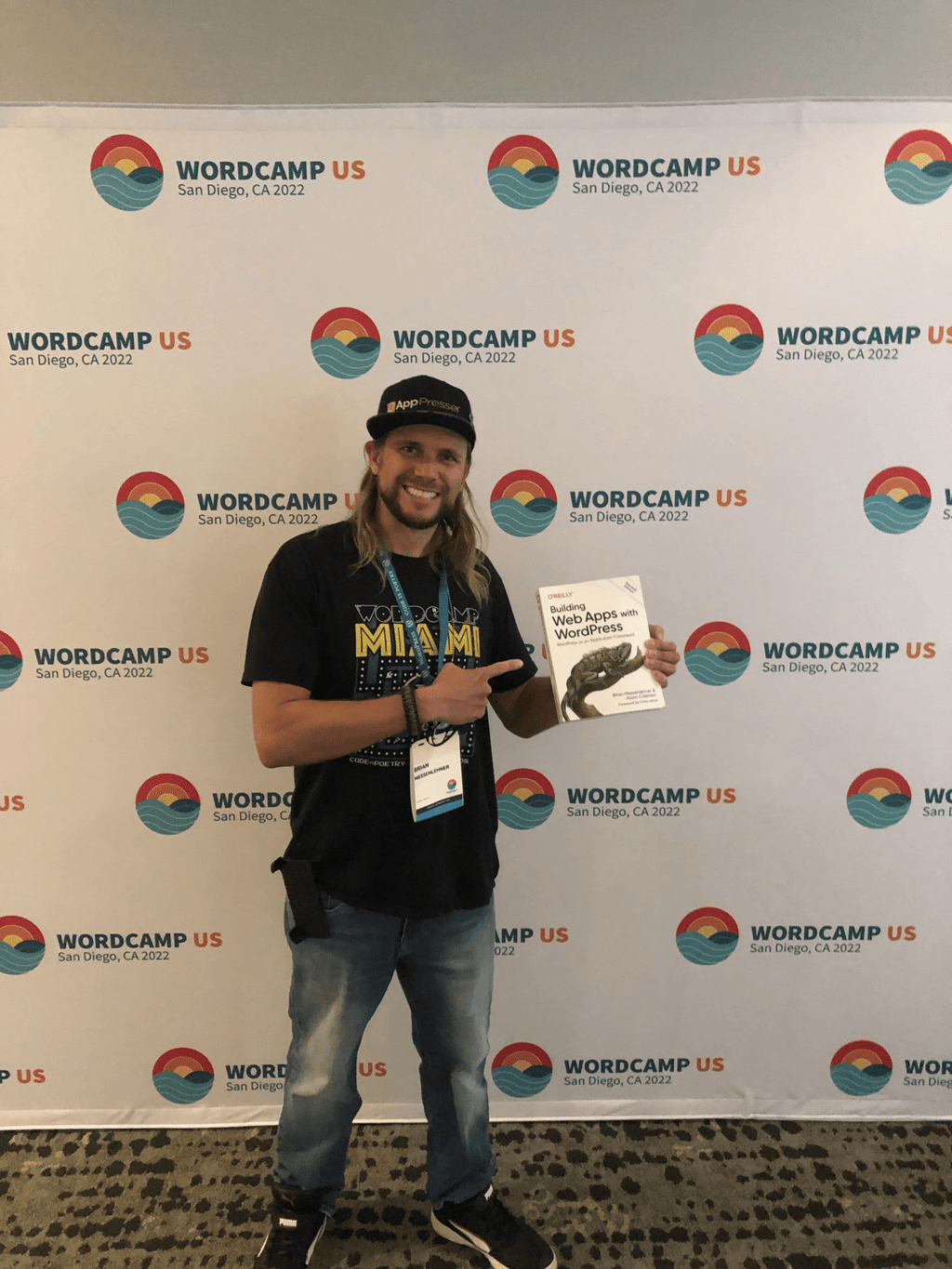
With Building Web Apps with WordPress at WordCamp US 2022 in San Diego.
Build Your Next App on WordPress
If you are planning a web app, a member platform or a mobile app on WordPress, I would like to hear about it. Tell me what you are building and I will tell you how I would approach it.
Founder of AlphaWeb and owner of AppPresser. A former U.S. Marine Corps Sergeant and computer programmer, Brian has more than 25 years of experience leading software teams and co-wrote Building Web Apps with WordPress for O'Reilly.
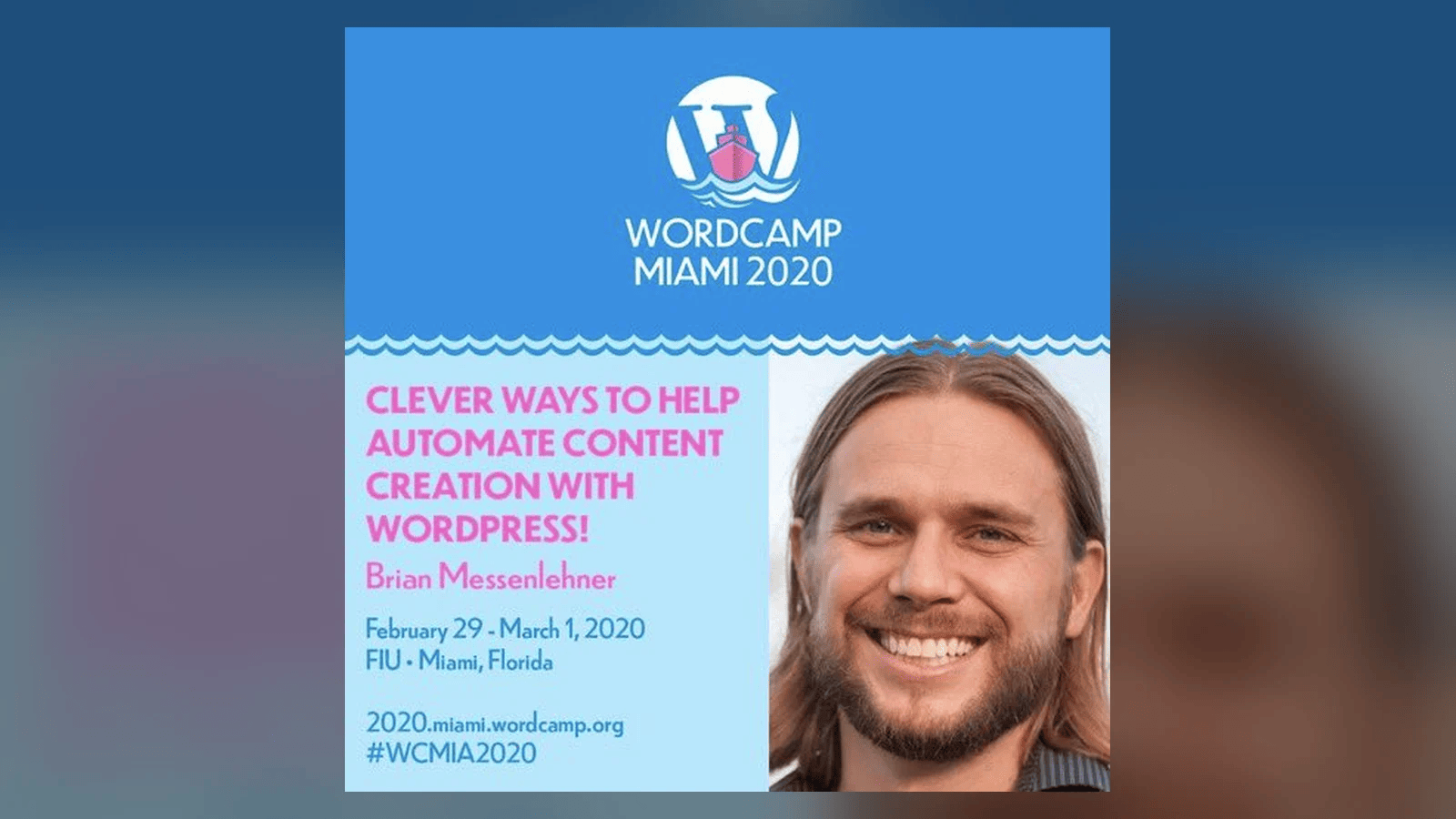
At WordCamp Miami 2020 Brian Messenlehner presented Clever Ways To Help Automate Content Creation With WordPress, weeks after speaking at Affiliate Summit…