I have five kids, so school websites are not an abstract topic in my house. They are where I find the lunch menu, the calendar and the message about early dismissal. They are also, in a lot of districts, built on expensive proprietary platforms that lock the district in and do not keep up with how families actually use the web.
That is why education has been a big part of my work, from AlphaWeb to SchoolPresser, which I co-founded to help public school districts move to WordPress.
The Newark project
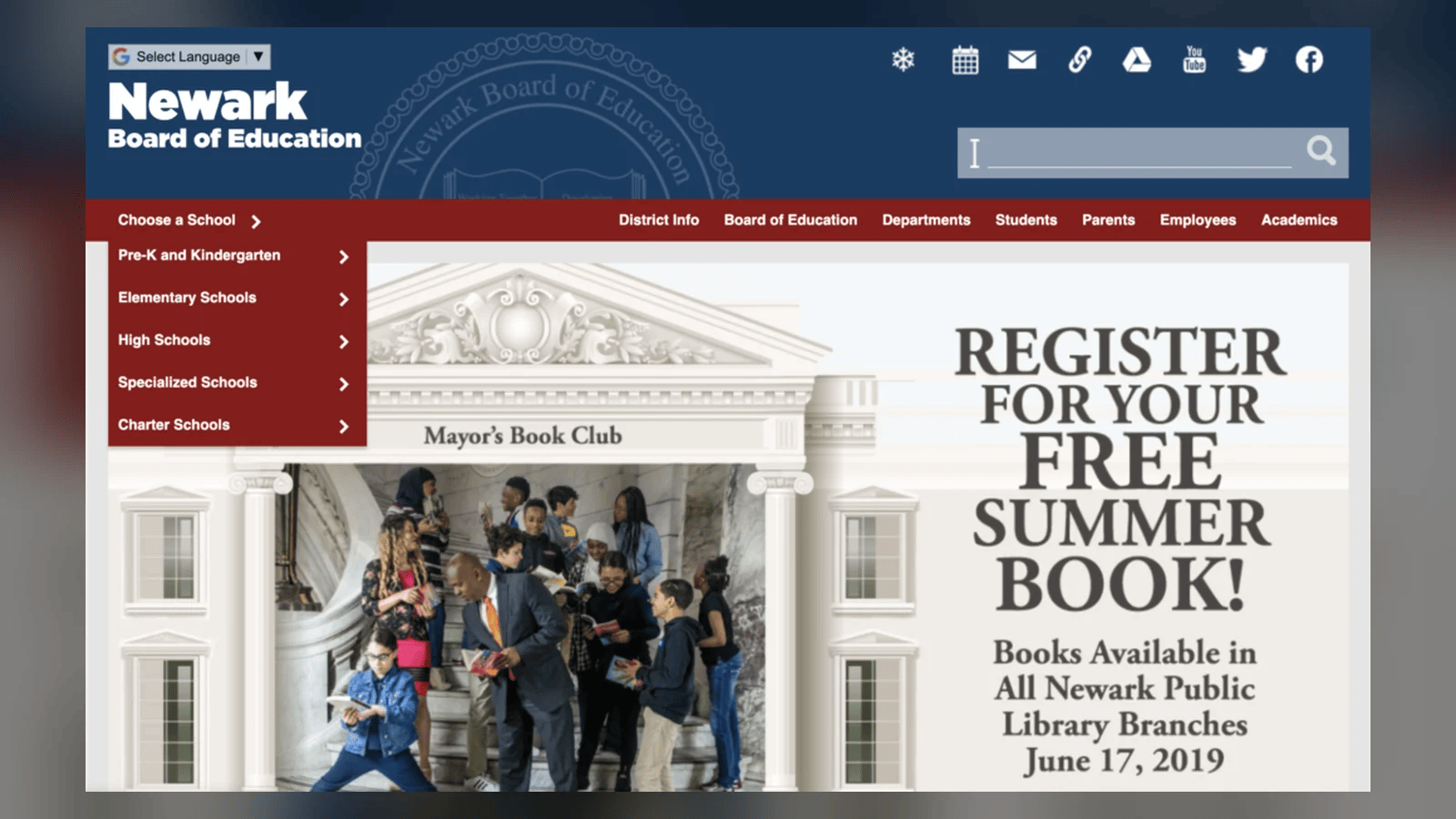
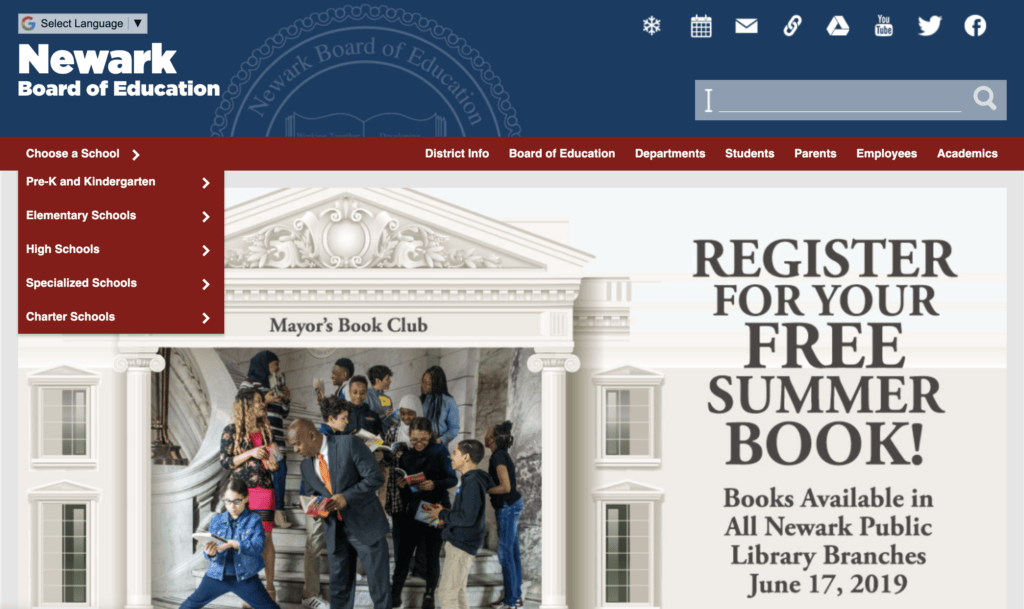
Newark Public Schools is one of the oldest and largest districts in New Jersey. When we started, it had about 80 websites, one for the district and one for each school, all on the Schoolwires platform.
Moving 80 sites by hand would have taken forever and introduced errors. So we automated it. Our migration script:
- Created a new site for a given school on a WordPress Multisite network.
- Made an HTTP request to that school's existing Schoolwires site, then parsed its menu to create the WordPress pages with the right titles, menu hierarchy and original URLs.
- Looped back through every page it had created, requested each original URL, parsed the content and updated the WordPress page.
Then it moved on to the next school. The result was one network the district can manage centrally, with every school still having its own site.
Why Multisite fits districts
A school district is basically a franchise. Every school needs its own news, calendar, staff directory and announcements, but the district wants consistent branding, security and accessibility. WordPress Multisite gives you exactly that:
- One install, many sites. Each school gets its own site and editors.
- Shared themes and plugins. Update once, and every school is current.
- Scoped permissions. A school webmaster manages their school, not the whole district.
- Easy expansion. Opening a new school or program means adding a site, not signing a new contract.
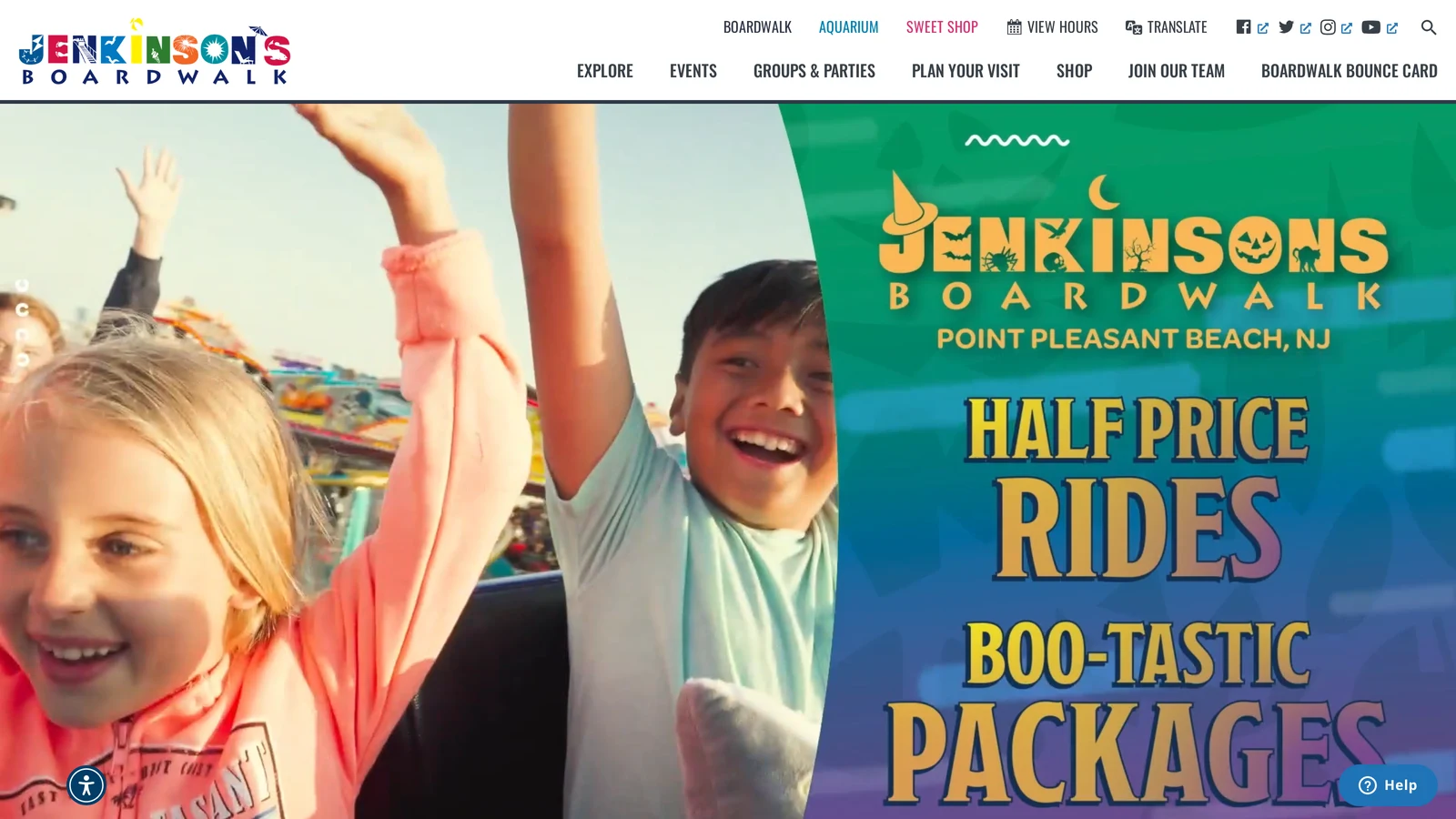
We used the same architecture for Jenkinson's at the Jersey Shore, with three different brands on one network. The pattern works anywhere you have many related sites and one team responsible for keeping them healthy.
No vendor lock-in
WordPress is free, open source software. When a district's content lives in WordPress, the district owns it. If you are unhappy with your developer or your host, you can move. That is not true with most proprietary school platforms, where your content and your design are tied to the vendor's software.
Open source does not mean free of cost. You still need hosting, support, training and updates. But the money goes to work your district actually needs, instead of license fees.
Accessibility is not optional
Public schools have legal obligations to make their websites accessible to students and families with disabilities, and the bar has been rising. A modern WordPress theme built with accessibility in mind, combined with trained editors, gets you most of the way there. The rest is process: alt text on every image, real headings, accessible PDFs (or better, HTML pages instead of PDFs), captions on video, and regular audits. I wrote more about this in our post on Section 508 and WCAG.
Add a mobile app
Once your content lives in WordPress, a mobile app is a short step. News and events already in WordPress show up in the app automatically. The real value is push notifications. When there is an urgent message, you send it instantly instead of waiting for families to open an email. Apps like the South Tech High School app built with AppPresser give families a personalized window into what is happening at school.
Questions to ask before your next renewal
If your district is on a proprietary platform, here is what I would ask before signing another year:
- Can we export all of our content, including pages, files and URLs, in a standard format?
- What are we paying per year in total, including add-ons, and what do we get for it?
- How quickly does the vendor fix accessibility issues we report?
- Can each school manage its own content without breaking district standards?
- Do we get a mobile app, and does it pull from the same content?
If the answers are not great, it is worth a conversation. Brief us on your mission and we will tell you what a move to WordPress would look like for your district.
Related Reading
Brief Us on Your Mission
Want to talk about a website, mobile app, migration or AI project? Fill out the Mission Brief and a specialist will follow up to schedule a call and put together a free quote.