I have worked with WordPress Multisite since it was folded into core in WordPress 3.0. Done right, it turns dozens or even thousands of sites into one platform you can update in a single deploy. Done wrong, one plugin update breaks everything at once. Here is what Multisite is, when it fits and the networks we have built and still run.
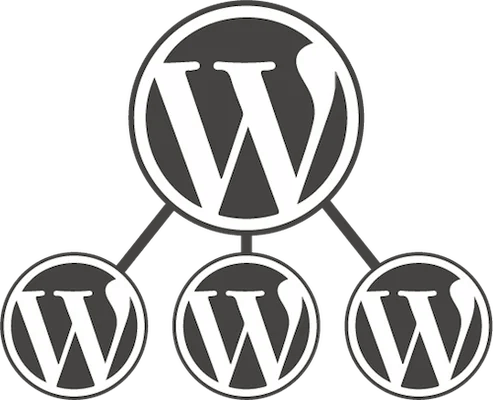
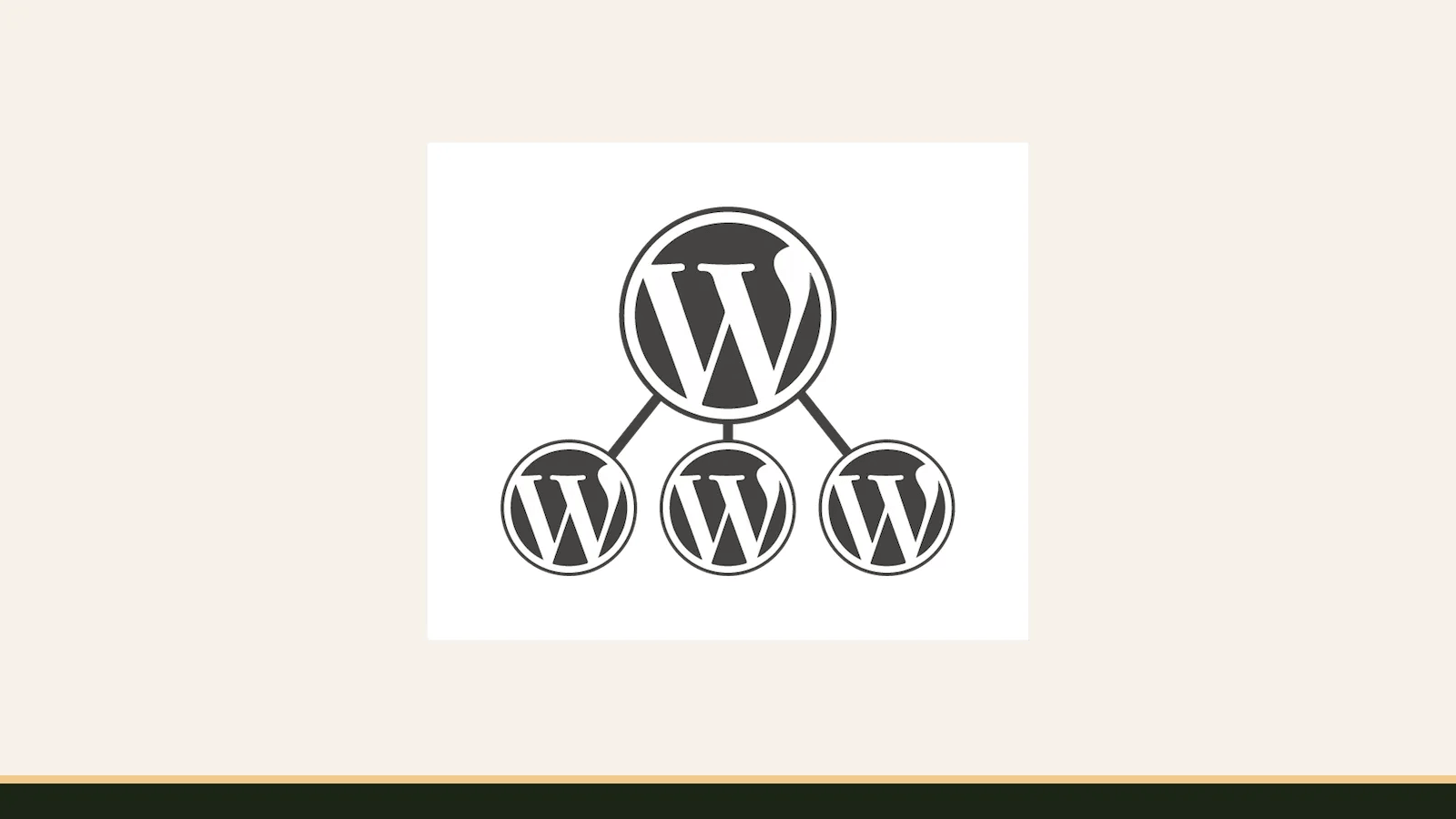
What is WordPress Multisite? WordPress Multisite lets one WordPress installation run many websites. The sites share code, plugins, themes and users, so a whole network can be updated in one place while each site keeps its own content and look.
What WordPress Multisite is
WordPress Multisite is a feature built into WordPress core that lets one installation run many sites. The sites share code, plugins, themes and users, while each keeps its own content, settings and look. A super admin role sits above each site's administrators to govern what can be installed.
Domain mapping, built into core since WordPress 4.5, lets any site on the network use its own domain.
When Multisite is the right call
Multisite shines when many sites share a purpose and a codebase:
- A school district with a site per school
- A county or city with department sites under one brand
- A brand with regional or language sites
- A product that hosts sites for many customers
- A resort or retailer with sister properties
It is the wrong call when sites need very different plugins, have separate owners and budgets, need different hosting or must be sold off on their own. In those cases separate installs with shared tooling are simpler.
Real Multisite networks
Newark Public Schools
About 80 school websites moved off Schoolwires onto one WordPress Multisite network, with a custom migration script that kept menus, page hierarchy and original URLs, a district calendar that feeds every school and per school branding. We still host and manage the network.
Read the Newark Public Schools case study
Microsoft News Center
About ten years of press content from 38 country and language sites moved from a proprietary system into a single multisite network, with translation ready code and language packs in 16 languages.
Read the Microsoft News Center case study
LexisNexis LawLinks
A WordPress Multisite network running the LawLinks service for nearly 3,000 law firms, with an automated pipeline that turned each legacy database export into a finished site.
Read the LexisNexis LawLinks case study
Visit Mercer County
The official tourism portal for Mercer County, New Jersey, built on WordPress Multisite with pages for all 12 towns, a Places directory, faceted search and a community events calendar.
Read the Visit Mercer County case study
Jenkinson's Boardwalk
Three sites, the Boardwalk, the Aquarium and the Sweet Shop, on one network with a shared plugin stack and design system, and each team scoped to only the content it manages.
Read the Jenkinson's Boardwalk case study
How we plan a network
The first decision is subdomains or subdirectories. Subdirectories are simpler for SSL and keep SEO consolidated; subdomains suit sites with their own identities. Then we decide what is shared and what is local: network activated plugins for features every site must have, an approved list each site can choose from, one parent theme with child themes or style variations, and network wide users with roles assigned per site.
Governance, roles and content sharing
Only super admins can install plugins and themes, which is a feature. We keep a short approved list, test every update on a staging network and deploy through Git. Super admins stay a very small group, and department leads get roles on their own site only. For publish once, show everywhere needs, like a district announcement on every school site, we build content sharing across the network.
Performance and operations at scale
Large networks need a persistent object cache such as Redis, full page caching, a CDN and careful database care, since each site adds its own tables. WP-CLI makes network operations practical, and we script recurring tasks so they are repeatable and logged.
Migrating many sites into one network
Most of our Multisite work starts with a migration from a closed or aging platform such as Schoolwires, Drupal or a proprietary CMS. We build repeatable import scripts so dozens or thousands of sites move the same way, keep URLs and menus intact and verify every site before cutover. See platform migrations and Schoolwires to WordPress.
Frequently asked questions
Is WordPress Multisite a separate product?
No. Multisite is built into WordPress core. It is turned on in configuration and then managed from a Network Admin dashboard.
Can each site have its own domain?
Yes. Domain mapping has been built into core since WordPress 4.5.
Can each site look different?
Yes. On Newark Public Schools each school picks its own colors, logo and homepage layout from one shared theme.
How many sites can a network handle?
It depends on hosting and architecture more than WordPress itself. The LawLinks network was built for nearly 3,000 law firm sites.
Can you host and manage the network after launch?
Yes. We still host and manage the Newark Public Schools network and the Visit Mercer County portal.
Related reading
- WordPress Multisite: When It Makes Sense and How to Run It Well
- One Platform for Every Department: Multisite and Procurement Friendly Hosting for Government
- Consolidating Legacy and Proprietary CMS Platforms Into WordPress Multisite
- WordPress Multisite
Planning a WordPress Multisite project?
Tell us a little about the project and we will get back to you with clear next steps.
No sales pitch. A short note is enough to start the conversation.
Prefer the full contact form? Go to Contact.